Nitric oxide: the hidden system that helps keep you alive.
What nitric oxide is, why it matters to your heart and arteries, and how your body produces it — a plain-language guide to the molecule that quietly governs how well you age after 40.
In brief
Nitric oxide is a tiny, short-lived gas molecule your body makes on its own. It is produced mainly by the endothelium — the single layer of cells lining every artery, vein, and capillary — and its main job is to signal those vessels to relax and widen so blood, oxygen, and nutrients move freely.
That matters because relaxed, responsive vessels underpin healthy blood pressure, circulation, energy, and recovery. Your body makes nitric oxide two ways: through an enzyme in the endothelium called eNOS, and from dietary nitrates in foods such as leafy greens and beets. Production tends to decline with age and lifestyle stress — which is what the rest of this report explains.
Most people know the heart is important.
Far fewer know what really runs the show.
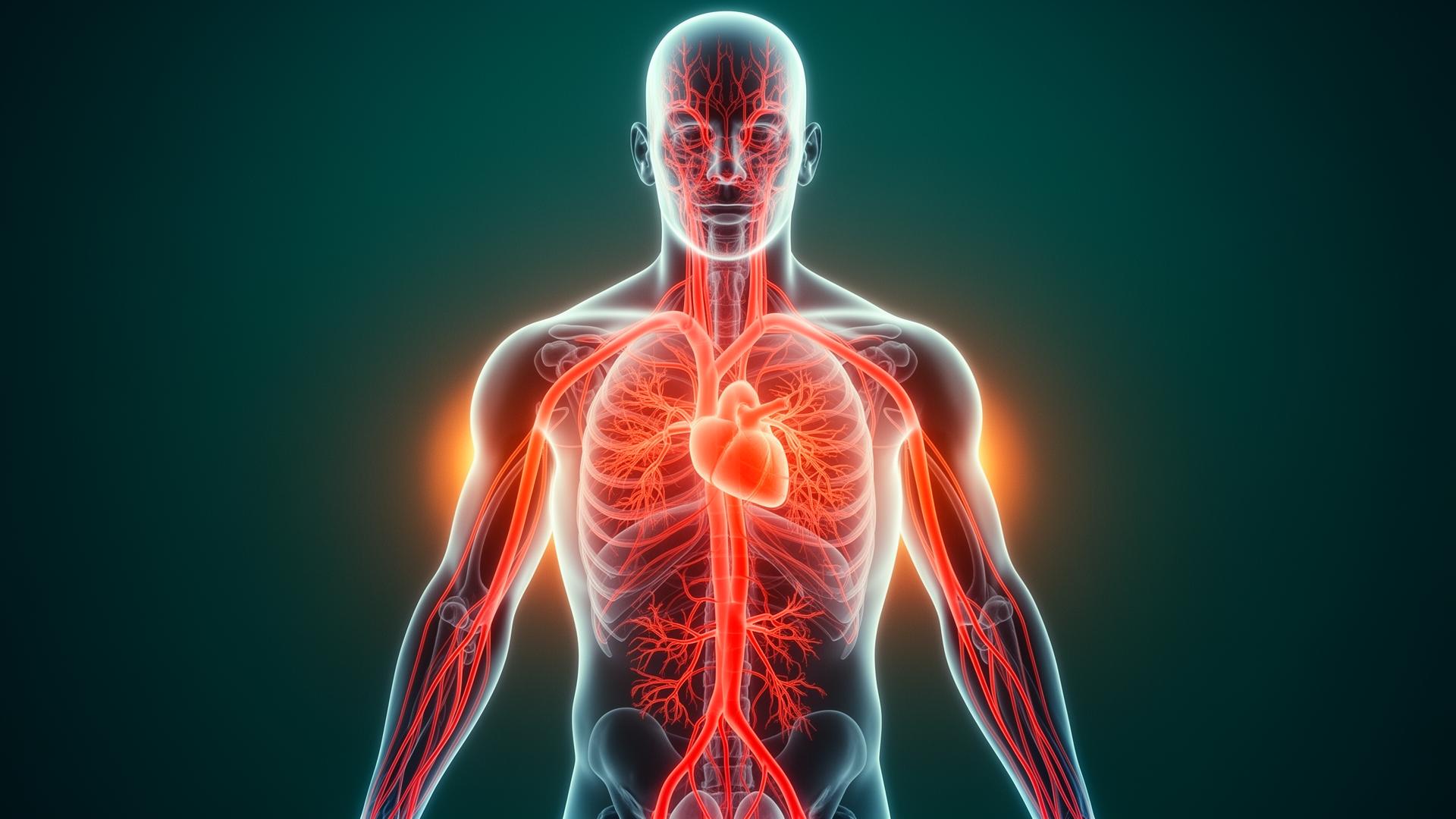
Behind every heartbeat is a vast, living network — your cardiovascular system: roughly 60,000 miles of arteries, veins, and capillaries lined by a single layer of cells that actively regulates blood flow, pressure, and the delivery of oxygen to every tissue in your body. This thin layer of cells is actually an organ, called the endothelium, and is the key mechanism that actually runs the show.
As we age, this system gradually changes. Arteries become less flexible. Blood flow becomes less efficient. Energy declines. Recovery slows. Circulation becomes less responsive. Many people assume this is simply "getting older." But this is only partly true.
Modern cardiovascular science points to a deeper biological process — one that revolves around a remarkable invisible gas called nitric oxide which is produced by this thin delicate organ, the endothelium, inside your blood vessels.
Your cardiovascular system contains an estimated 37,000 – 62,000 miles of blood vessels. They deliver oxygen and nutrients to every cell and carry waste away.
Healthy circulation affects:
- Heart function
- Brain performance
- Energy production
- Physical stamina
- Recovery & healing
- Muscle performance
- Temperature regulation
- Sexual health
- Cognitive clarity
- Overall vitality
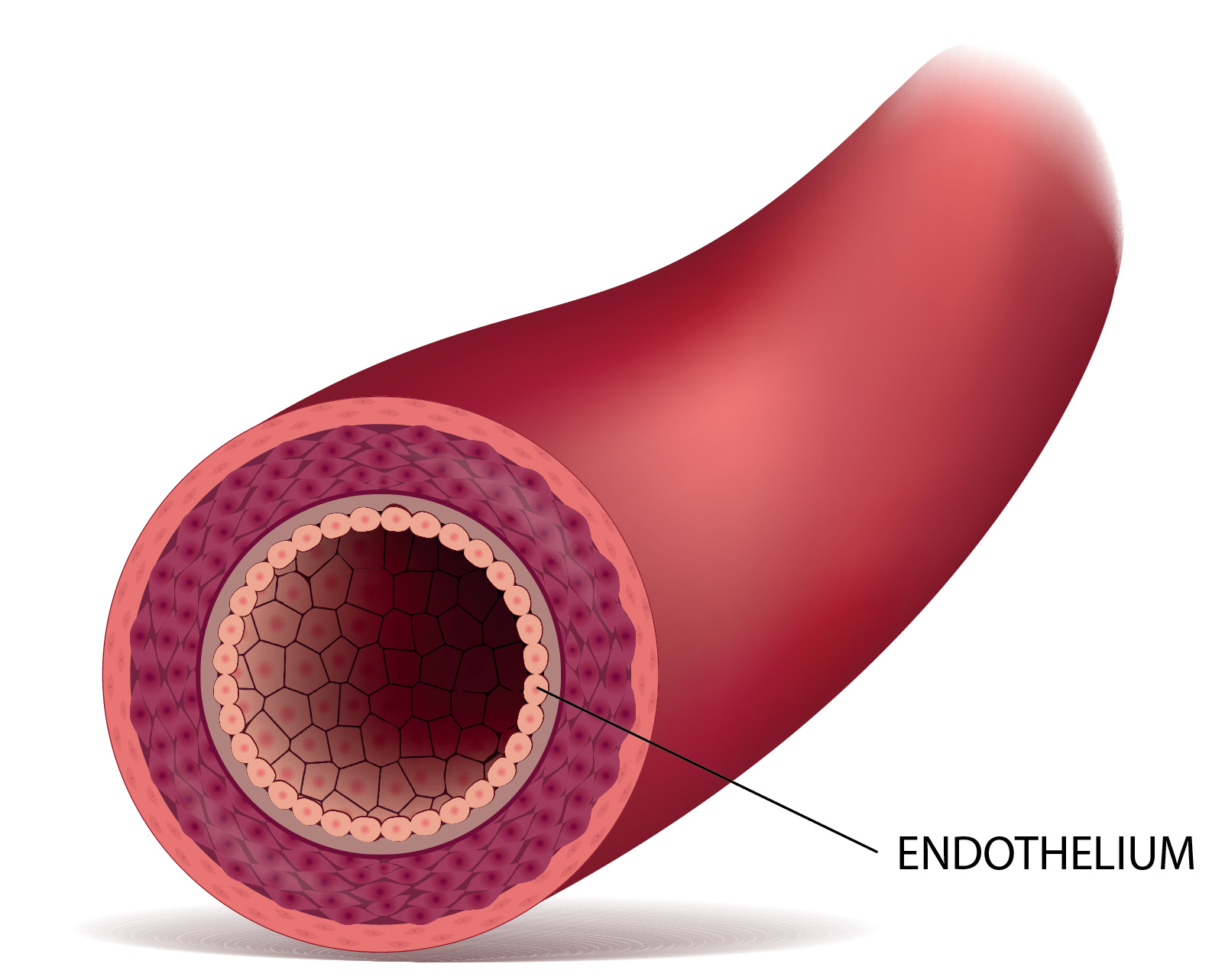
For decades, cardiovascular discussions focused on cholesterol and blockage. Those matter — but the health of the blood vessel lining itself plays a critical role. That lining is called the endothelium.
Meet the endothelium.
An ultra-thin layer of cells lining the inside of every blood vessel in your body. For decades, scientists thought it was just passive "wallpaper." They were wrong.
Today, it's considered one of the body's most important regulatory systems — large enough, and active enough, that some researchers describe it as an organ in its own right. It regulates blood flow, oxygen delivery, inflammation, platelet activity, and the conversation between blood and tissues.
A Nobel-winning molecule once dismissed as pollution.
In the late 20th century, scientists discovered that the endothelium produces a tiny signalling molecule called nitric oxide (NO). The discovery fundamentally changed cardiovascular science.
In 1998, the Nobel Prize in Physiology or Medicine was awarded to Robert F. Furchgott, Louis J. Ignarro and Ferid Murad for showing that nitric oxide acts as a critical signalling molecule in the cardiovascular system. Before this, it had been largely considered a toxic environmental gas.
We now know the body manufactures it continuously — for vital biological functions.

Dr. Louis J. Ignarro, Ph.D., Distinguished Professor of Pharmacology, was one of the three laureates — awarded the Nobel Prize in Physiology or Medicine in 1998 for his research into nitric oxide and its importance to the cardiovascular system. For more information on this discovery, refer to his book NO More Heart Disease.
When speaking on nitric oxide and maintaining heart and cardiac health, “…… a daily supplement is necessary.”
What leading physicians have said about nitric oxide
"Nitric oxide's vital role in human health..."
— Julian Whitaker, M.D.
"NO is your body's natural internal medicine for cardiovascular health."
— William Sears, M.D.
"NO contributes to heart health by improving the function of cells lining the blood vessels..."
— David Heber, M.D., Ph.D.
Please note: These statements relate to nitric oxide research and scientific discussion only. They are not endorsements of the ĖNOS supplement or Australiana Life products.
What nitric oxide does: it tells your arteries to relax.
Nitric oxide is short-lived and produced continuously by the body when conditions are favourable. It helps arteries stay flexible and adaptable to changing demand.
- 01Normal blood vessel function
- 02Efficient circulation
- 03Healthy oxygen delivery
- 04Exercise performance
- 05Recovery and endurance
- 06Healthy endothelial function
- 07General cardiovascular wellness
How your body produces nitric oxide
You do not get nitric oxide from a single source. The body makes it through two separate pathways, and both weaken over time.
1. The eNOS pathway. Inside the endothelium sits an enzyme called endothelial nitric oxide synthase — eNOS. Using the amino acid L-arginine and oxygen, it releases small bursts of nitric oxide into the vessel wall. Blood flowing across the lining is itself a trigger: the gentle shear of movement and exercise is one of the strongest natural signals for eNOS to work.
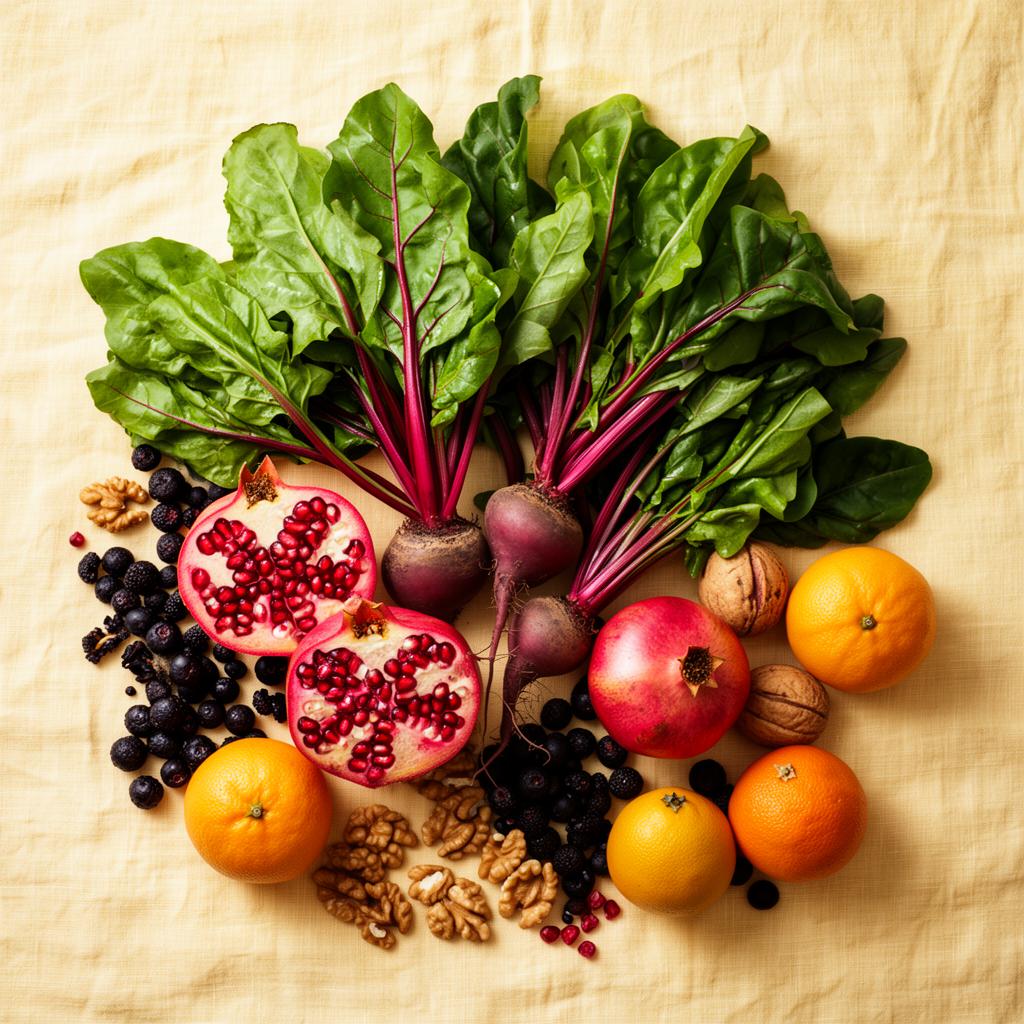
2. The dietary nitrate pathway. Nitrates from food — leafy greens, beets, celery, arugula — are converted by bacteria in the mouth to nitrite, then to nitric oxide in the body. This route does not depend on eNOS, which is part of why it becomes more important as we age.
Both pathways need the same conditions to work well: regular movement, a nitrate-rich diet, low oxidative stress, and healthy endothelial cells to produce the gas in the first place.
Why nitric oxide production declines with age.
Research suggests nitric oxide production tends to decline as people age. The drop is often gradual and quietly invisible — until one day, you notice you don't recover the way you used to. And your energy has noticeably declined. Or worse, you experience a life-changing cardiac event. By then, the body has been quietly asking for support for years.
Factors that degrade nitric oxide production
Healthy arteries behave like flexible garden hoses, adjusting smoothly to flow. With age and endothelial stress, they begin to behave more like stiff pipes.

The most powerful natural stimulator? You moving.
Movement increases blood flow across artery walls, which helps stimulate endothelial function. Even modest improvements may positively influence vascular function over time.
What you eat speaks to your endothelium.
Researchers continue to explore how foods and nutrients support nitric oxide pathways and endothelial health. Nutrition is not a magic switch — but long-term patterns shape vascular function profoundly.
- Leafy green vegetables
- Beetroot & natural nitrates
- Amino acids in NO pathways
- Antioxidant-rich fruits & plants
- Polyphenols & flavonoids
- Anti-inflammatory dietary patterns
- Effective supplementation
What to remember.
The endothelium is a critical regulator of vascular health
Nitric oxide helps support healthy blood vessel function
Nitric oxide production may decline with age
Lifestyle factors strongly influence endothelial health
Circulation affects the entire body, not just the heart
Exercise, movement & nutrition play important roles
The encouraging news?
It's not too late.
Modern cardiovascular science suggests that maintaining healthy vascular function may be one of the most important long-term wellness strategies available — and it's something you can actively support.
To continue learning about nitric oxide, endothelial health, and the nutritional approaches — including effective supplementation — being explored to support healthy circulation:
You received this from someone who thought it might matter to you.
For more information refer to the person who shared this link.
Thank you for reading. Nitric oxide is one of the most important discoveries in modern physiology, and its relevance to overall health, wellness, natural energy and vitality, is only growing as the research deepens.